Contributions & Development Work
The areas of public work Manmohan Samal has been formally responsible for — what each area actually covers, why it matters in Odisha, and exactly where the documented record stops.
How this page handles attribution
Profile websites routinely credit individuals with schemes, budgets and outcomes that belong to departments, cabinets and successive governments. This page does not.
What is documented for Manmohan Samal is the scope of responsibility he held: two departments of the Government of Odisha between 2004 and 2008, one Assembly constituency between 2004 and 2009, and a state party organisation across four terms. Each of those has a defined, publicly described remit, and those remits are set out below in full.
What is not documented, in any source reliable enough to publish, is a scheme-by-scheme record of departmental performance attributable to him personally. That record is therefore absent from this website rather than invented for it.
Six areas, and what each one covers
Land administration and revenue
Minister of Revenue, Government of Odisha · 18 May 2004 – December 2008
Odisha’s Revenue and Disaster Management Department administers the state’s land records and land administration, settlement and consolidation work, revenue courts, and the allotment and management of government land. In a state where agriculture remains the principal rural livelihood, a clear and current land record is the document on which a household’s credit, compensation and inheritance all depend.
This was the first of the two portfolios Samal held simultaneously for four and a half years.
Disaster management and relief
Within the Revenue portfolio · 2004 – 2008
The same department carries Odisha’s relief and disaster response machinery. This is not an incidental function of government in Odisha. The state’s coastline lies on the Bay of Bengal cyclone track, and its deltaic districts — Bhadrak among them — face recurrent cyclone and flood. The 1999 super cyclone remains the defining event in the state’s disaster-management history and led directly to the creation of a dedicated state disaster management authority.
A minister holding Revenue in Odisha therefore holds a portfolio in which relief administration is a standing, seasonal responsibility rather than an exceptional one.
Food security and public distribution
Minister of Food Supplies & Consumer Welfare · 18 May 2004 – December 2008
The Food Supplies and Consumer Welfare Department runs Odisha’s public distribution system and the procurement of foodgrain. It is the administrative point at which a food entitlement becomes an actual delivery to a household — ration card administration, storage, and the fair price shop network.
Holding this portfolio alongside Revenue placed land tenure and food entitlement, the two questions that reach almost every rural household in the state, under one minister.
Consumer welfare
Within the Food Supplies portfolio · 2004 – 2008
Consumer protection sits within the same department: weights and measures, legal metrology, and the consumer redress machinery through which a purchaser can bring a complaint. It is among the least visible functions of a state government and among the most directly used by ordinary households.
Constituency representation in Bhadrak district
MLA for Dhamnagar · 2004 – 2009
For one Assembly term Samal was the elected representative of Dhamnagar, a constituency in his home district. A sitting MLA in Odisha carries constituency responsibilities in addition to any ministerial brief: constituency development funds, local grievance redress, and representation of the constituency in the Assembly.
He has contested Chandabali, also in Bhadrak, twice since — in 2019 and 2024 — and lost both contests. He has therefore held a constituency mandate for five of the past twenty-two years.
Institutional development of a state party organisation
State President · 1999–2004 and 2023–present
This is the area in which Samal’s contribution is most directly and most often documented. The state president’s brief is the building of an organisation: office-bearer appointments, district and booth-level committee structures, membership drives, candidate recommendation and campaign direction.
Published accounts of the 2024 Odisha election credit grassroots mobilisation and organisational expansion under his presidency with a substantial share of the outcome — 78 of 147 Assembly seats and 20 of 21 Lok Sabha seats, ending twenty-four consecutive years of Biju Janata Dal government. Reporting since has described continuing joint work with the state government to strengthen the organisation at booth and panchayat level ahead of Odisha’s panchayat elections.
The figures that are documented
These come from declared election results and from the dated record of office. No figure on this page is estimated, projected or inferred.
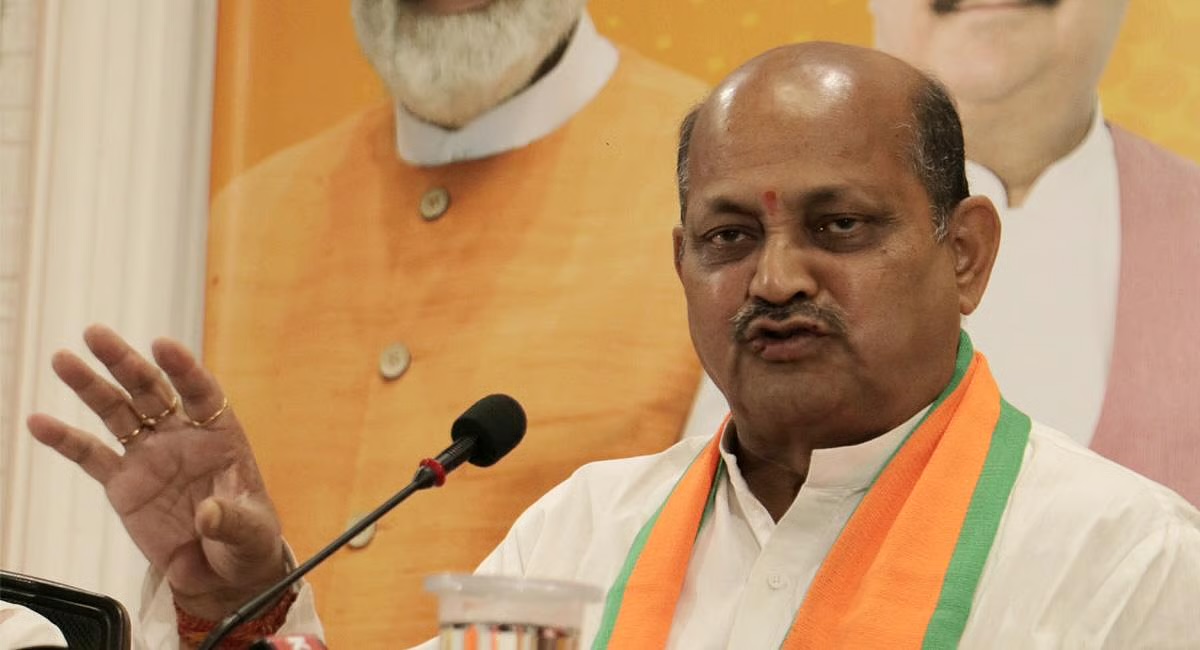
The working shape of public work
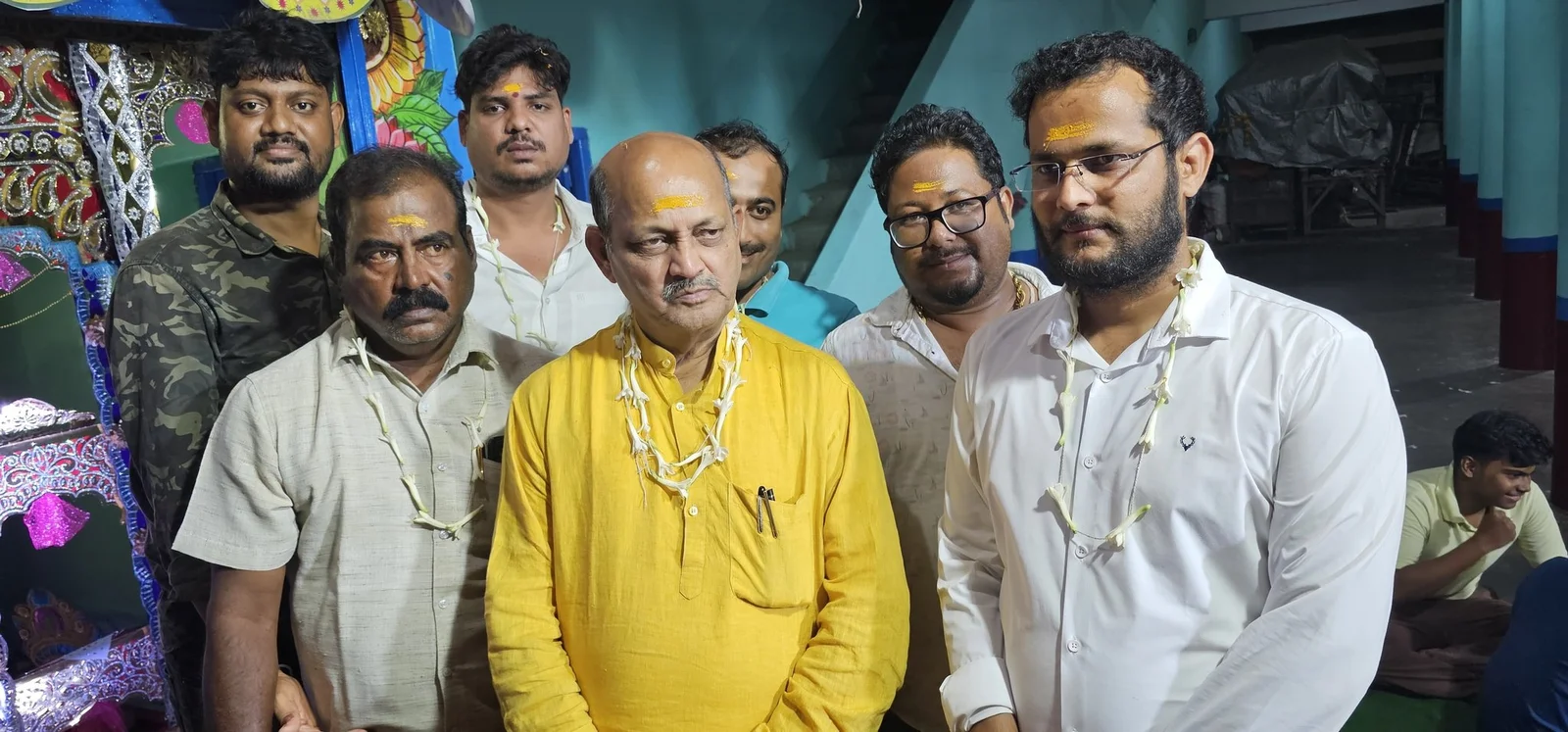
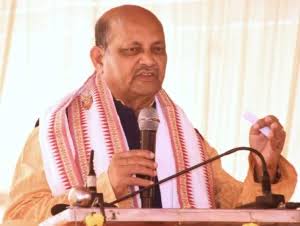
Between a departmental brief on paper and a result in a district lies a great deal of ordinary work: meetings with union ministers and state ministers, coordination between the party organisation and the administration, district programmes, and the continuous public communication that keeps a state organisation aligned.
The photographs on this page record that layer. They are the visible evidence of a working method — consultative, organisational, and conducted largely in rooms and on district platforms rather than in the legislature.
Sources for this page
- Government of Odisha, Revenue and Disaster Management Department, for the department’s stated functions.
- Government of Odisha, Food Supplies and Consumer Welfare Department, for that department’s stated functions.
- Press Trust of India, July 2025, for the portfolios held and their dates.
- Declared results, 2019 and 2024 Odisha Assembly elections and the 2024 Lok Sabha election in Odisha.
- Deccan Chronicle, on organisational work at booth and panchayat level ahead of the Odisha panchayat elections.